
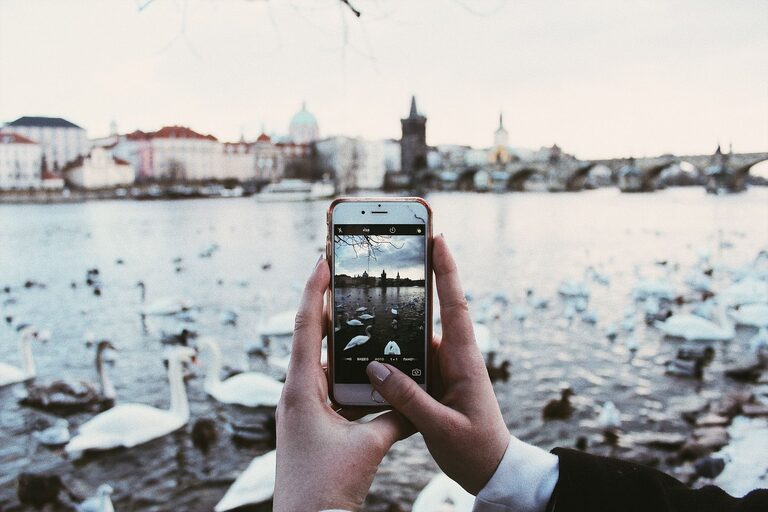
Taking great photos with your phone is easier than you might think. With the right techniques and a little practice, you can capture beautiful images that stand out. Whether you’re snapping photos of friends, nature, or everyday moments, these beginner tips will help you take better phone photos and unlock your creativity.
Understand Your Phone Camera
Before diving into photography techniques, take some time to explore your phone’s camera settings and features. Most modern smartphones include several modes, such as portrait, panorama, night mode, and manual controls.
– Explore camera settings: Try adjusting exposure, focus, and white balance to see how they affect your photos.
– Use the highest resolution: Set your camera to capture at the highest quality for better detail.
– Learn about lenses: Some phones have multiple lenses (wide-angle, telephoto). Experiment with each to find the best fit for your shot.
Focus on Composition
Great photos often come down to good composition — the way elements are arranged in your frame.
Rule of Thirds
Imagine your photo divided into a 3×3 grid. Place important subjects along these lines or at their intersections to create balanced and interesting shots.
Leading Lines
Use natural lines like roads, fences, or rivers to guide the viewer’s eye through the photo towards your main subject.
Framing
Look for objects such as tree branches, doorways, or windows that can frame your subject. This adds depth and context to your photos.
Simplify the Scene
Avoid clutter by removing distracting elements from the frame. A clean background helps your subject stand out more clearly.
Use Natural Light to Your Advantage
Lighting plays a huge role in photography. The good news is that natural light is often the most flattering and easiest to work with.
– Shoot during golden hours: Early morning and late afternoon provide soft, warm light that enhances colors and textures.
– Avoid harsh midday sun: Bright overhead light can create unwanted shadows and blown-out highlights.
– Use shade: If the sunlight is too strong, look for shaded areas to get softer light.
– Face the light: Position your subject so they are facing the light source to avoid dark shadows on their face.
Keep Your Phone Steady
Blurred photos are usually caused by camera shake, especially in low light.
– Hold your phone with both hands: This provides more stability.
– Use a tripod or stand: Small phone tripods are affordable and helpful for longer exposures or time-lapse shots.
– Use the timer or a remote shutter: This avoids movement when tapping the shutter button.
Experiment with Angles and Perspectives
Don’t just shoot from eye level. Try different angles to create more dynamic photos.
– Get low: Shooting from a lower angle can make your subject look larger and add interest.
– Shoot from above: Overhead shots are great for flat lays or capturing a group of objects.
– Move around: Walk around your subject to find the most flattering or unique viewpoint.
Edit Your Photos Thoughtfully
Editing can turn a good photo into a great one, but it’s best to keep it natural.
– Use simple apps: Built-in editors on your phone or free apps like Snapseed or Lightroom Mobile offer easy adjustments.
– Adjust brightness, contrast, and saturation: Small tweaks can improve colors and clarity.
– Crop for better framing: Tighten your shot by removing unnecessary edges.
– Avoid over-filtering: Too many filters or heavy effects can make photos look artificial.
Practice Regularly and Have Fun
Photography is a skill that improves with practice. Challenge yourself to take photos every day or focus on different subjects like landscapes, portraits, or close-ups.
– Try photo challenges: Many online communities offer daily or weekly prompts.
– Review your photos: Look at your shots critically and learn what works and what doesn’t.
– Be patient: Not every photo will be perfect, and that’s okay.
Conclusion
Taking better phone photos is all about understanding your device, paying attention to light and composition, and practicing regularly. By applying these beginner tips, you’ll be on your way to capturing stunning images that you’ll be proud to share. Remember to have fun and explore your creativity, because the best photos often come from unexpected moments and perspectives. Happy shooting!